
Endless Roads: A Journey Through Checkpoints and Silence
Date
March 4, 2025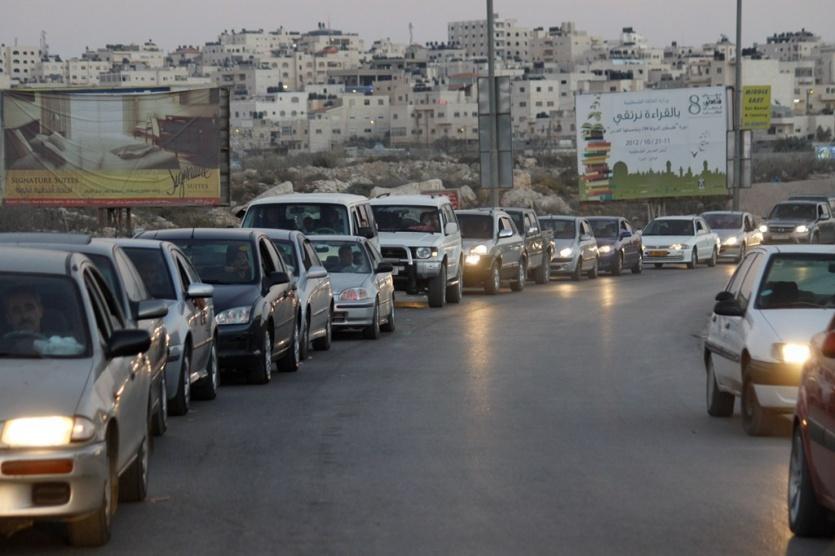
Qaladia
The road from Jerusalem to Ramallah, a route I’ve taken so many times, felt different this time, more suffocating, more relentless. The blockade imposed on the West Bank after the hostages’ deal had turned what used to be a 40-minutes’ drive into an agonizing test of patience, endurance, and resilience.
It started at the Qalandiya checkpoint, where the usual traffic jam had transformed into a sea of cars, people, and frustration. The soldiers in their station, carefully checking every ID and every car that passed. A new checkpoint (Jabaa) had been set up with strict opening and closing hours, adding yet another layer of restriction to an already grueling journey.
The waiting seemed endless. Minutes dragged into hours as we barely moved forward. The air was thick, not just with the exhaust from hundreds of running cars, but with the weight of uncertainty, of helplessness.
People got out of their cars, stretching their legs, sighing, exchanging murmurs of disbelief. We just sat there, silent, frustrated, and helpless. Accepting the reality that for Palestinians, movement is never guaranteed.
We were all prisoners of this road, captives of a system that had turned the simple right to move into a privilege, into something that could be taken away without warning.
After nearly five hours, I finally made it to the other side. But what should have felt like relief was actually a deep, biting anger. The blockade wasn’t just a physical barrier; it was a message, a reminder that at any moment, our lives could be put on hold. That our dignity, our freedom, and our very own existence could be squeezed between concrete walls and the barrel of a gun.
When I reached Ramallah, I felt a moment of safety, but that feeling quickly turned into a worry. I started making plans to stay longer, to avoid the anxiety that came with the thought of going back through those checkpoints. The idea of returning to Jerusalem made me anxious, especially since I had broken my leg and couldn’t drive. Taxis, already expensive, were now asking for double the price because of the roads.
This isn’t just my story. It’s the story of thousands of people, enduring daily humiliation just to reach home, work, or their loved ones. A simple road turned into a relentless test of resilience. And yet, despite it all, we keep moving, because stopping is never an option.
Mariam – We Effect
About the blog
Get a glimpse into the reality and everyday life of our colleague in Palestine. Follow Mariam Ikermawi, Programme Officer for Gender Equality & Advocacy at We Effect in Ramallah. Mariam is a respected and beloved team member — she is also a friend, a daughter, a sister, and all the other roles that make up a human being. With unwavering dedication to human rights, gender equality, and sustainable development, she carries out her work under circumstances that many find hard to imagine. In this blog, she offers a unique perspective from within a deeply scarred and vulnerable country — sharing reflections and thoughts, shaped by her own experiences and those of the people around her.
Our work in Palestine
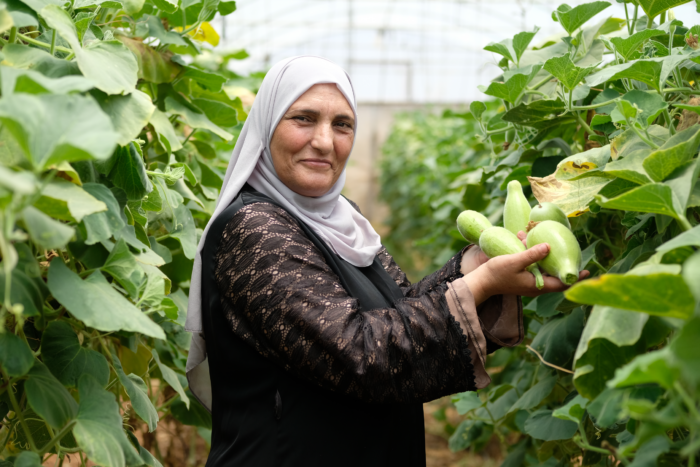
In Palestine, decades of occupation and instability have deeply affected daily life, with high poverty and food insecurity hitting rural communities the hardest. Since 1998, We Effect has partnered with local organizations to support sustainable agriculture, strengthen the economic role of women, and build resilient communities. Our work focuses on long-term solutions that promote equality, resilience, and access to vital resources — even in the most challenging circumstances.