
Gratitude and Grief
Date
July 22, 2025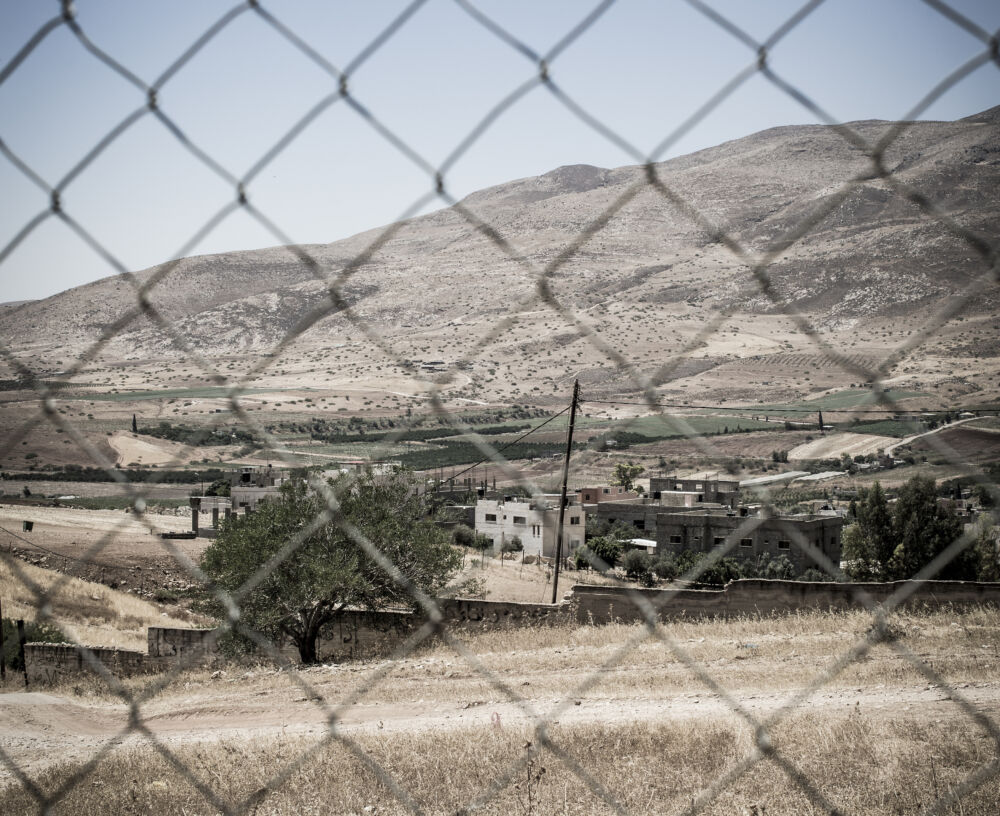
Photo: Marcus Lundstedt
Every night, I scroll through Instagram, and just one photo is enough to suffocate me with tears. The cries of hungry babies echo louder than the world’s silence. I close my eyes and pray for sleep, but instead, I lie wide awake, helpless and shattered.
How can anyone sleep knowing that children are starving, that mothers are boiling leaves just to give their kids something to fill their empty stomachs?
Do you know what it means to die of hunger in 2025? It means we’ve failed humanity big-time.
I carry this pain with me every night. In my bones. In my breath.
My pain is not political. It’s deeply human. Because what’s happening in Gaza is inhumane.
And I’m angry.
I’m angry that we live in a world where feeding people is controversial.
Where calling for a ceasefire is “complicated.”
Where the worth of Palestinian lives is still questioned, debated, and dismissed.
Some want to wait for the perfect political moment. Others argue over who’s responsible.
Meanwhile, people in Gaza don’t have time for diplomacy.
They need food now.
This isn’t about who is right and who is wrong. It’s about whether we are willing to let starvation become the new normal — and live with that.
And in the middle of all this, I sit here today: safe, secure with food on the table.
My loved ones around me. My cats, fed, loved, spoiled— as they deserve.
And for that, I am grateful — deeply & constantly. Gratitude is my daily practice. My survival tool. My quiet rebellion. It’s how I keep going.
But gratitude alone cannot heal a broken heart, because gratitude doesn’t erase grief.
It doesn’t silence the screaming truth: people in Gaza are starving.
And no amount of gratitude can erase the guilt that comes with surviving while so many others don’t. I know I’m not to blame. I know survivors’ guilt is a trap.
And I know that guilt won’t feed anyone.
Two million people are being starved. Not just people — animals too.
This isn’t a crisis. It’s not “food insecurity.” It’s not a side effect of war. It’s not a famine.
It’s man-made. It’s starvation.
When you tie the entry of flour to political negotiations, when you debate access to water or medical supplies, you’re not delivering aid — you’re executing control.
The distribution of aid looks like The Hunger Games. Literally. But this isn’t a dystopian movie that ends in 90 minutes. And there’s no happy ending in sight.
This blog post won’t fix anything as words feel so cheap. But maybe, just maybe, it’ll make you pause. Maybe it’ll make you uncomfortable. Maybe it’ll push you to act. Speak up. Donate. Share. Do something. Or simply make you not sleep either.
And to Gaza, habibti: I see you. I grieve you. This scar will mark my heart forever.
Gratitude helps me live. But grief keeps me human.
Mariam
About the blog
Get a glimpse into the reality and everyday life of our colleague in Palestine. Follow Mariam Ikermawi, Programme Officer for Gender Equality & Advocacy at We Effect in Ramallah. Mariam is a respected and beloved team member — she is also a friend, a daughter, a sister, and all the other roles that make up a human being. With unwavering dedication to human rights, gender equality, and sustainable development, she carries out her work under circumstances that many find hard to imagine. In this blog, she offers a unique perspective from within a deeply scarred and vulnerable country — sharing reflections and thoughts, shaped by her own experiences and those of the people around her.
Our work in Palestine
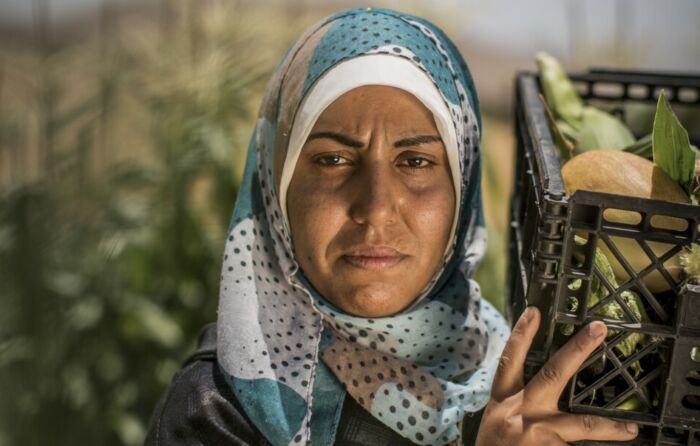
In Palestine, decades of occupation and instability have deeply affected daily life, with high poverty and food insecurity hitting rural communities the hardest. Since 1998, We Effect has partnered with local organizations to support sustainable agriculture, strengthen the economic role of women, and build resilient communities. Our work focuses on long-term solutions that promote equality, resilience, and access to vital resources — even in the most challenging circumstances.