
Why I Stay, Why I Speak
Date
April 24, 2025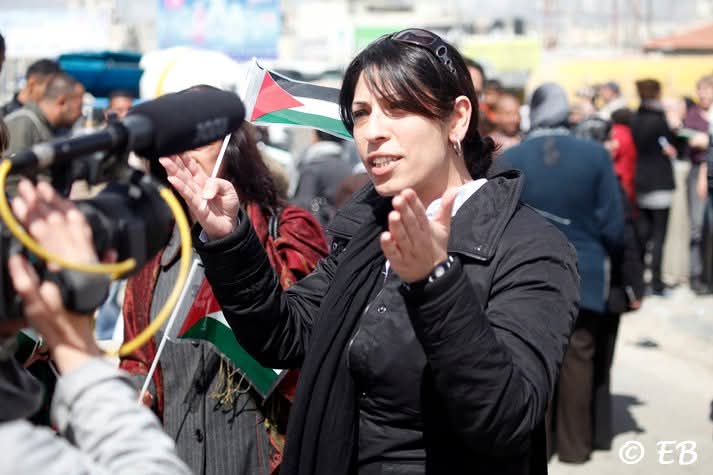
Mariam Ikermawi. Photo: Private
A friend asked me recently, “How are you coping?”
I said, “I’m not, I’m going insane.” She replied, “Força sister, Força.”
Those words stayed with me, because they were an echo of the question I keep hearing, and the answer I need to give. People often ask me: why do you do this, why don’t you leave, doesn’t it get too heavy, how do you handle it?
And the truth is, it is heavy, a bit too heavy, some days it’s suffocating, some nights I lie awake feeling like I’m carrying the weight of a whole nation’s grief in my chest. But I stay, and I speak, because silence is not an option when injustice is this loud. The truth is, I don’t always handle it. Some days it breaks me. Some days I want to shut it all out, throw my phone across the room, cancel the meetings, and disappear. The grief, the injustice, the cruelty is relentless. And it doesn’t just knock on the door, it barges in, sits on your chest, and dares you to breathe.
But I stay. And I speak.
I stay because this is my home, my people, I stay because Gaza is still under fire, because mothers are still burying their children, because settlers are still stealing land in broad daylight while the world debates language. I speak because Palestinian voices have been silenced, distorted, and dehumanized for decades, I speak because global statements and UN resolutions don’t hold children in Gaza at night when the sky falls on their heads, because the world scrolls past our stories like they’re just another headline, and I can’t be okay with that. Not now, not ever.
There are moments that break me into pieces, like watching the news and hearing a mother say she has no more children left to lose, like hearing a mother cry that her children died hungry, like sitting through yet another meeting explaining our reality, and realizing how far words can still fall short.
But I also witness moments that put me back together, a child in playing with his cat in Gaza who laughs like they have the whole world, a woman who rebuilds her greenhouse for the third time and still smiles, a partner organisation refusing to compromise their values even when resources are scarce, and the world demands they shrink.
I do this work because I owe it to the women I meet in the field, who organize, create, rebuild and heal, even when they’ve lost everything, and yet still manage to offer me coffee, to the farmers who wake before the sun under occupation holding onto their land like it’s sacred, because it is. So no, I don’t have superhuman strength. I cry, I fall apart, I rage. But then I get up. Again. And again. Because I know that even if the world turns away, I won’t. I can’t. I know I can’t fix everything, but I can show up, I can tell the stories that deserve to be heard, and as long as I have a voice, I’ll use it, not because I’m strong, but because I refuse to be numb.
This work isn’t a job. It’s survival. It’s resilience. It’s love: messy and painful.
I stay, I speak, because I believe despite everything that justice is not a dream, it is a demand.
I stay, I speak because to be a woman in this struggle is to carry tenfold the burden, and still walk tall.
I stay, I speak because to love this land, this people, means staying even when it hurts.
And speaking, even when your voice shakes.
This is why I stay. This is why I speak.
Mariam
About the blog
Get a glimpse into the reality and everyday life of our colleague in Palestine. Follow Mariam Ikermawi, Programme Officer for Gender Equality & Advocacy at We Effect in Ramallah. Mariam is a respected and beloved team member — she is also a friend, a daughter, a sister, and all the other roles that make up a human being. With unwavering dedication to human rights, gender equality, and sustainable development, she carries out her work under circumstances that many find hard to imagine. In this blog, she offers a unique perspective from within a deeply scarred and vulnerable country — sharing reflections and thoughts, shaped by her own experiences and those of the people around her.