
From 31 March to 2 April 2026, the International Dairy Federation (IDF) Regional Dairy Conference Africa convened at the A’Zambezi River Lodge in Victoria Falls, bringing together key stakeholders shaping the future of Africa’s dairy sector. Held under the theme of enhancing continental dairy competitiveness, the conference provided a high-level platform for policy dialogue, knowledge exchange, and public–private sector engagement.
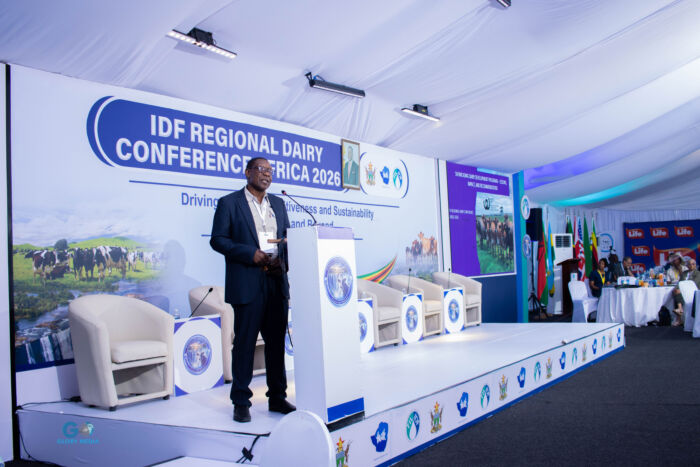
We Effect participated as a Platinum Sponsor, reaffirming its strategic commitment to transforming Africa’s dairy industry through technical innovation and inclusive development approaches. The event was hosted by IDF in collaboration with the Zimbabwe Association of Dairy Farmers and the Zimbabwe Dairy Industry Trust (ZDIT) both longstanding implementing partners of We Effect in Zimbabwe. The platform enabled We Effect to showcase its contribution to strengthening Zimbabwe’s dairy value chain, consolidating its position as a regional thought leader in sustainable and inclusive dairy development.
We Effect’s active participation significantly enriched the conference’s technical discourse. Elijah Rusike, Programme Manager, delivered a presentation titled “Showcasing Dairy Development Programmes – Lessons, Impact, and Recommendations.” Drawing on experiences from flagship initiatives such as the Transforming Zimbabwe’s Dairy Value Chain (TranZDVC) and the Inclusive, Market-Oriented Value Chains for Economic Development (iMOVED) project, the presentation highlighted how targeted interventions in herd management, feed systems, and farmer capacity development have improved productivity and strengthened sector resilience. Importantly, it underscored opportunities to further integrate smallholder farmers into this high-value and potentially lucrative sector.
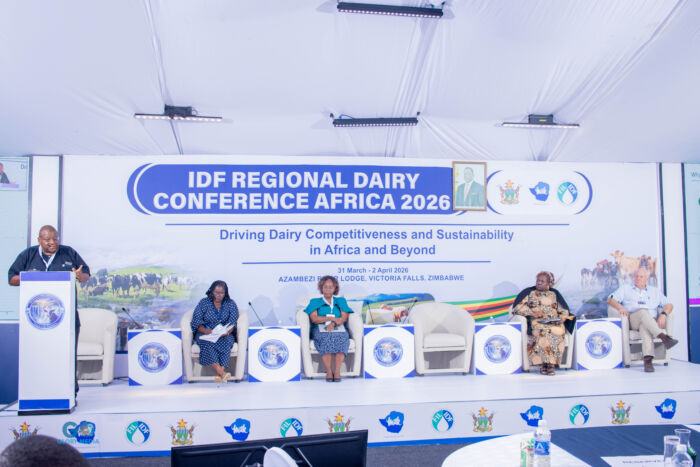
Complementing this technical contribution, Lucy Mazingi, We Effect Zimbabwe country manager, facilitated a session on “Cost of Dairy Production and Milk Consumption Trends in Africa.” The discussion highlighted major challenges that make it hard to compete, such as high costs for supplies, problems with feed distribution, and broken supply chains, while also looking at ways to make dairy products more affordable, easier to access, and more widely consumed across Africa.
A historic milestone of the conference was the official launch of the Dairy Africa Alliance, a continental platform aimed at coordinating dairy policy, boosting intra-African trade, and scaling value addition. The Alliance places strong emphasis on empowering smallholder farmers and women. Notably, Zimbabwe was appointed to the deputy chair position, represented by ZDIT, a key We Effect partner under the iMOVED project, highlighting the strategic alignment between national industry bodies and international development partners.
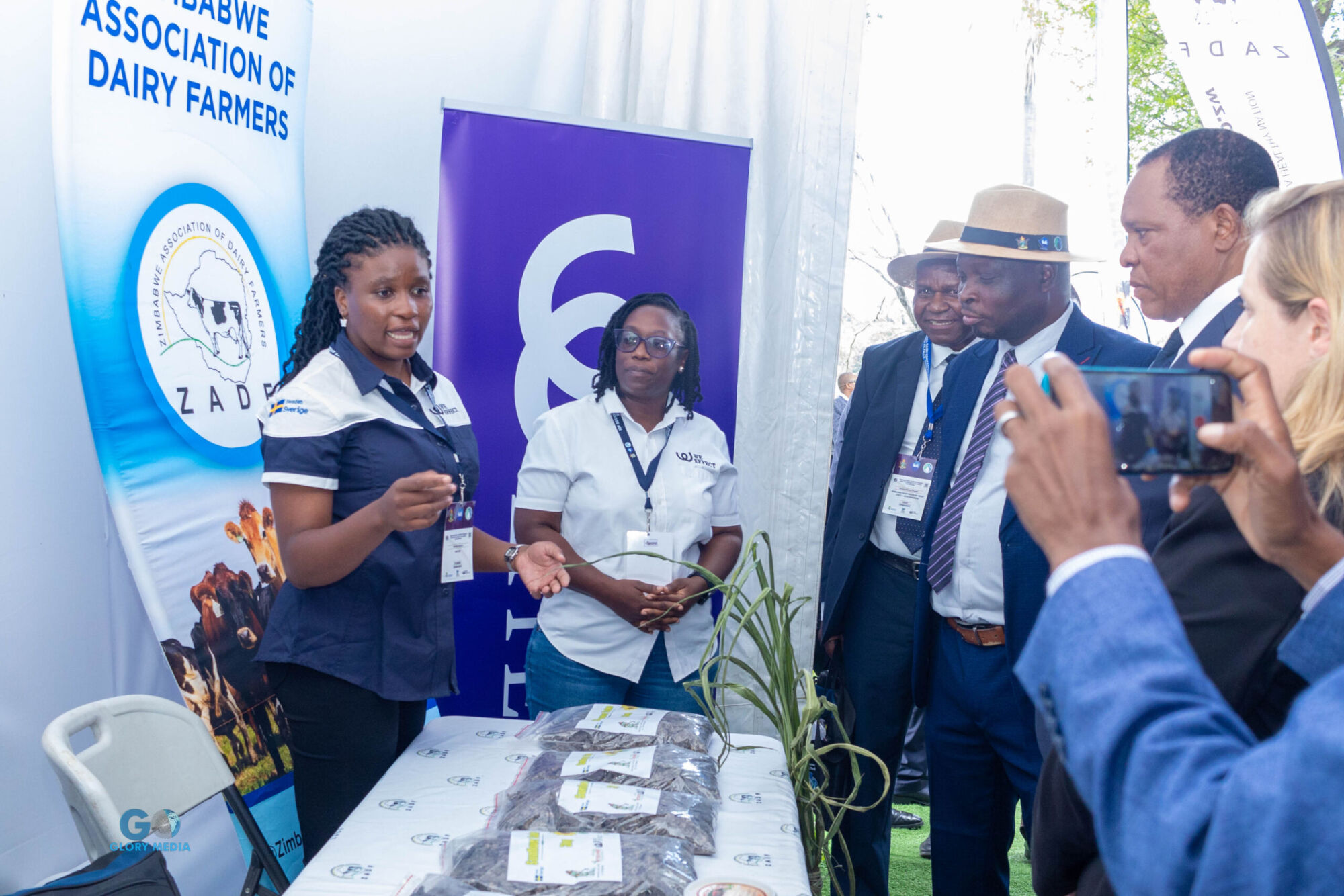
The human impact of these technical interventions came to life at the We Effect exhibition stand through the case story of Yemurai Mhaka, a young female beneficiary of the iMOVED project. Her business-oriented journey within the sunflower value chain and dairy feed nexus demonstrated how targeted support can transform livelihoods and advance gender equity. Yemurai’s transition from a small-scale producer to a value chain leader provided a powerful reminder that inclusive dairy development is ultimately about people and opportunity.
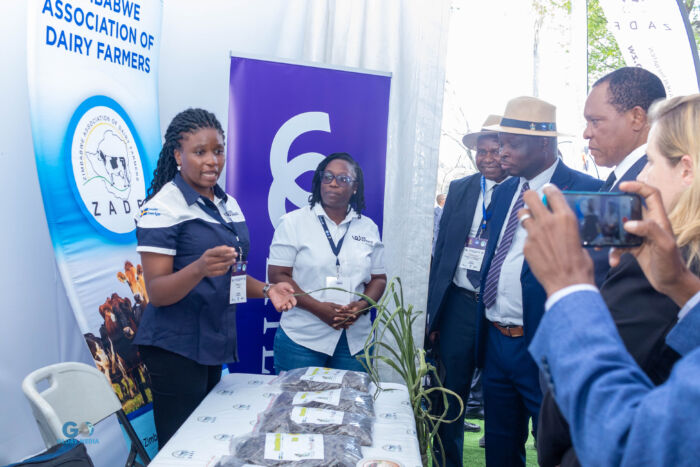
The conference also surfaced a critical challenge: despite Zimbabwe’s milk production surpassing 120 million litres in 2025, smallholder farmers currently account for only about 5% of total output. IDF Director General Laurence Rycken, alongside other keynote speakers, described this latent segment as the “critical frontier” for Africa’s dairy transformation. This message was reinforced by Zimbabwe’s Minister of Lands, Agriculture, fisheries, Water and Rural Development, Dr. Anxious Masuka, who reaffirmed the Government’s commitment to strengthening the sector. The consensus was clear—placing smallholder producers at the centre is essential for long-term growth, resilience, and national food security.
By Lucy Mazingi, Country Manager, Zimbabwe Country Operations