
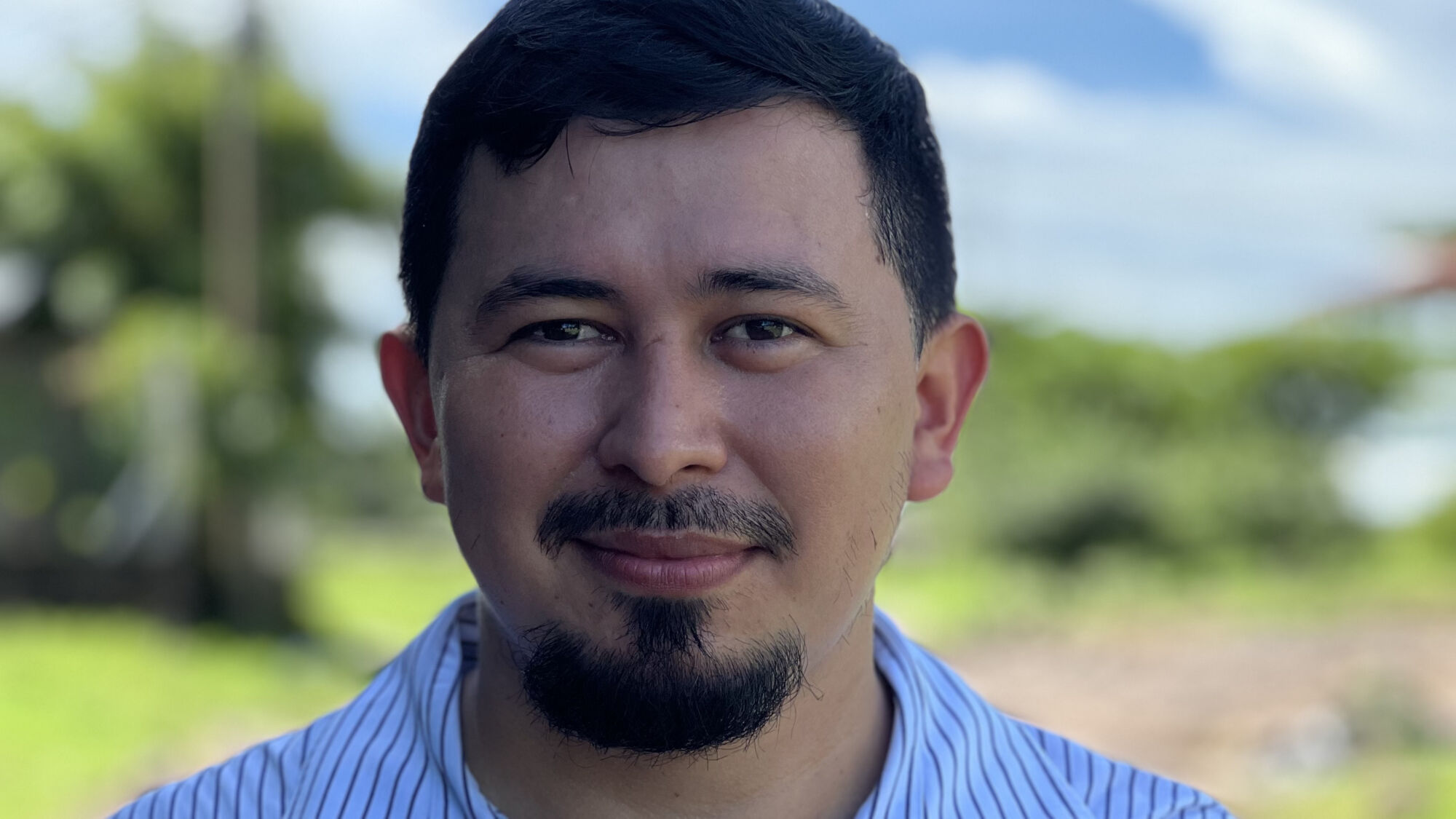
Imagine a place where houses are not just bricks and roofs, but spaces where dreams are woven, laughter is shared, and futures are built. A place where the word “community” is not an abstract concept, but a lived reality. This place exists. It’s called COVIMARL — a housing cooperative in Honduras that has witnessed one of the most inspiring stories of personal and collective transformation: the story of Jairo Gámez.
Jairo is not just another name on the list of cooperative members. He is a 31-year-old young man who has devoted more than a decade of his life to proving that cooperativism is not just an economic model — it’s a way of life. His story is one of a person who found in the cooperative not only a home, but also a purpose, an extended family, and a reason to believe in a better future.
The First Step: A Home for a Young Dreamer
It all began when Jairo was just 16 years old. His mother attended the meetings where what would later become COVIMARL was taking shape — an initiative aimed at providing decent housing for low-income families. Although at the time Jairo didn’t fully understand what it meant to be part of a cooperative, something within him was sparked. At 18, just having reached legal adulthood, he made a life-changing decision: he joined the cooperative.
However, the path wasn’t easy. At first, doubts arose about whether a single young man like him could access housing, since the project was primarily intended for families. But the cooperative, guided by the principles of inclusion and solidarity, defended his right to a home. “Young people also deserve access to housing,” was the argument that allowed Jairo to stay. Today, he reflects on how that decision not only gave him a roof over his head, but also allowed him to build a stable future for when he formed his own family.
The Cooperative as a School of Life
For Jairo, the cooperative wasn’t just a place to live — it was a school. Through educational processes promoted by We Effect and other allies, Jairo discovered the true meaning of cooperativism. “Before joining the cooperative, I was leaning toward another vocation. But when I got involved, I understood the transformative power of this model,” he says.
One of the most profound lessons for Jairo was the issue of gender equity. Through workshops and community gatherings, he came to understand the importance of challenging everyday machismo and building more just relationships within his family and community. “Cooperativism taught me to see the world differently — to value equality and apply it in my daily life,” he affirms.
From Cooperative Member to Community Leader
Over time, Jairo not only became a committed cooperative member but also a leader within the movement. In his role as a popular educator, he has supported the development of other cooperatives, helping replicate the values and principles he learned. He has also played a key role in creating community projects such as organic gardens and care centers, which have improved the quality of life for many families.
One of the most meaningful moments for Jairo was when, alongside other young people, he helped create a youth committee within MECOVISUR, the second-tier organization that brings together several housing cooperatives in Honduras. While many of those young people eventually migrated due to the lack of opportunities in the country, Jairo chose to stay. “The cooperative gave me a job that allowed me to sustain myself and continue fighting for my community,” he explains.
We Effect: A Partner Along the Way
The support of We Effect has been essential in this journey and in the development of COVIMARL. From promoting educational processes to implementing community projects, We Effect has accompanied the cooperative every step of the way. “We Effect hasn’t just provided us with tools — it has taught us to dream big and to believe that another world is possible,” says Jairo.
One of the most emblematic projects was the creation of an organic garden within the cooperative. With technical support from We Effect, families learned to grow their own food sustainably, which not only improved food security but also strengthened community bonds. “Seeing families work together in the garden, share knowledge, and harvest their own food is something that fills the heart,” Jairo shares.
Cooperativism as a Response to Honduras’ Challenges
In a country like Honduras, where migration and lack of opportunities affect thousands of young people, cooperativism offers a real and transformative alternative. Jairo knows this well: “Housing cooperativism not only addresses the housing crisis but also provides a safe space where families can fully develop.”
For Jairo, cooperativism is more than just an economic model; it is a way of life that promotes solidarity, social justice, and equity. “When you live in a cooperative, you learn to share, to support one another, and to build a better future together,” he states.
A Message for the Future
Jairo has a clear message for decision-makers and potential allies in international cooperation: “The cooperative movement in Honduras needs support to continue growing. We need laws that back us and projects that allow us to keep transforming lives.”
His story is a living testament to how cooperativism, supported by organizations like We Effect, can change not only the life of one person but an entire community. “Cooperativism gave me a home, a family, and a purpose. Today, my biggest dream is for more people to have the same opportunity,” Jairo concludes.
This life story of Jairo Gámez is an inspiring example of how cooperativism — guided by principles of solidarity and justice — can transform realities. As part of the International Year of Cooperatives 2025, We Effect reaffirms its commitment to continue walking alongside communities, building together a fairer and more sustainable future.