
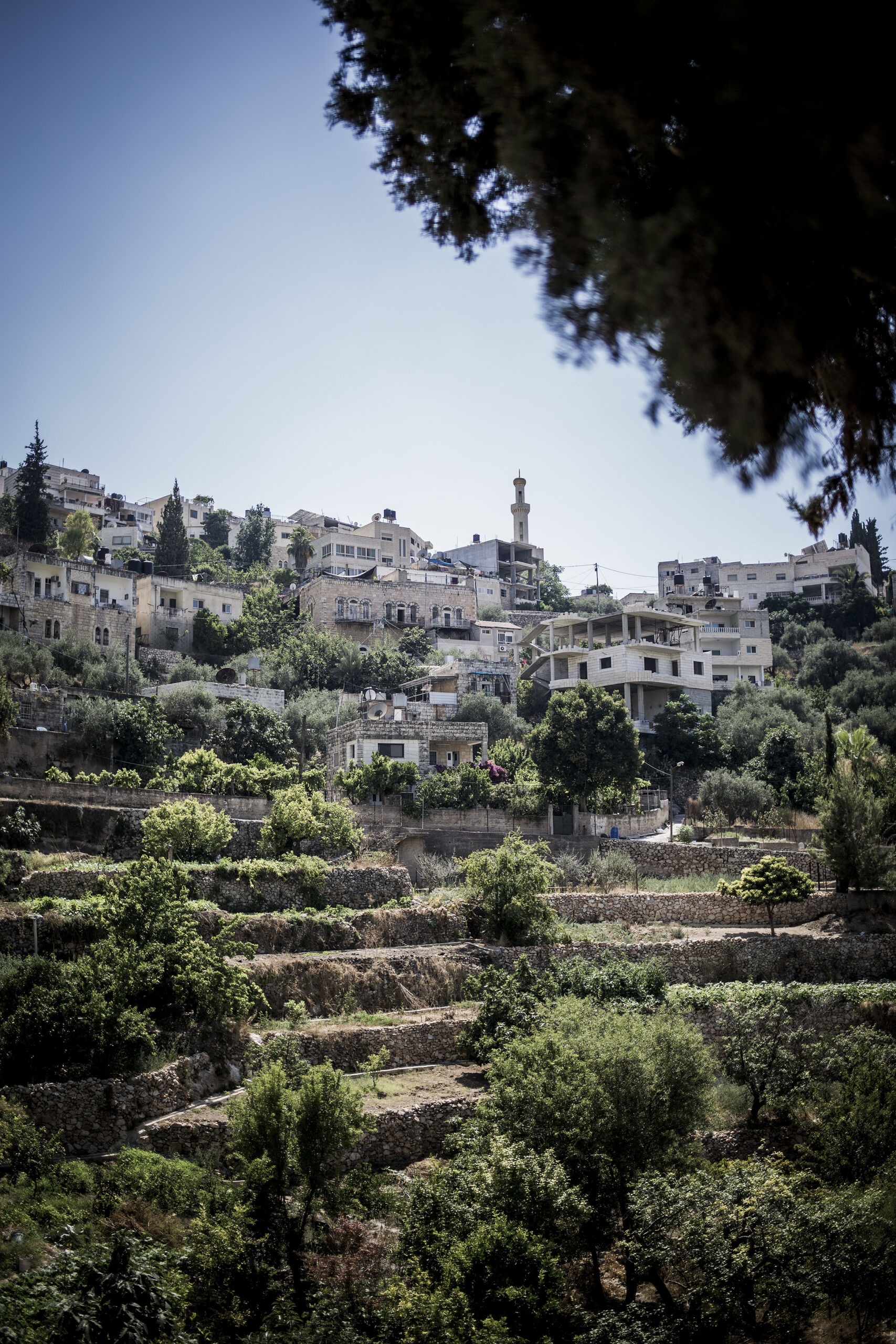
The project had arrived exactly when it was needed.
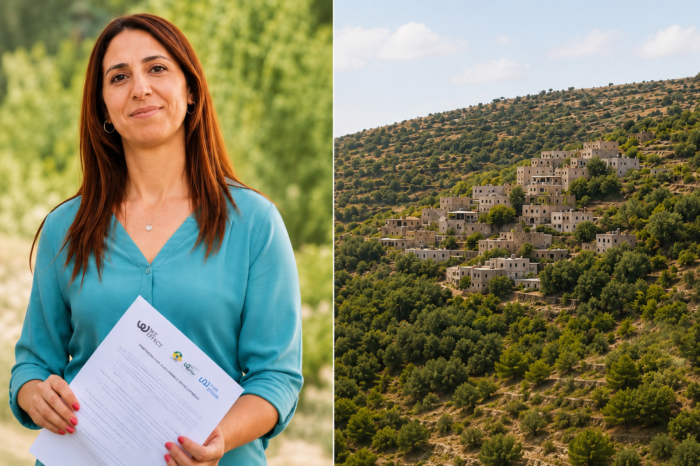
Jane Hilal is an Environment and Water Specialist and Programme Coordinator at the Applied Research Institute – Jerusalem (ARIJ), a Palestinian organisation working on water security, sustainable agriculture and rural development across the West Bank.
For her, the visit became a powerful reminder of why long-term development work matters.
– When the community tells you the project came at exactly the right time, respecting their priorities and upholding their rights, you know the work is worth it she says.
Today, many rural Palestinian communities face growing challenges. Climate change, recurring droughts, economic instability, restrictions on access to land and water, and, not least, settler violence are making it increasingly difficult for families to sustain their livelihoods through agriculture. Water insecurity is one of the most urgent concerns, affecting both farming activities and everyday life.
The visit to Aqaba was part of the LIFT Palestine programme, which works to strengthen food security, livelihoods, and resilience in climate-vulnerable communities across the West Bank.
Through investments in water infrastructure, irrigation systems, agricultural land, and other local resources, the programme helps create better conditions for people to continue farming and supporting their families.
For Jane, the visit was much more than a routine field trip. After months of planning, coordination, and preparation, she could finally see the work taking shape on the ground.
She recalls how community members spoke about their challenges, their needs, and their hopes for the future. Most importantly, they expressed how much it meant that someone had listened to their priorities and designed the interventions together with them.
For her, the visit was a reminder that meaningful change begins by listening to people and building solutions together.
Amid uncertainty, hope continues to grow.
Facts: LIFT Palestine
LIFT Palestine (Livelihood, Infrastructure and Food Systems Transformation) is a four-year programme running from July 2025 to June 2029 with funding from the Swedish Consulate in Jerusalem.
The programme supports climate-vulnerable communities across the West Bank to strengthen livelihoods, food security, and resilience through sustainable agricultural systems.
Activities include:
• Rehabilitation of natural springs and irrigation systems
• Water harvesting and water storage solutions
• Solar-powered technologies for agriculture
• Restoration of agricultural land and grazing areas
• Farm-to-market roads that improve access to markets
The programme is implemented in 20 communities across Tubas, Jenin, Salfit, and Hebron governorates and targets smallholder farmers, cooperatives, women, youth entrepreneurs, and other groups particularly vulnerable to climate change and economic hardship.
LIFT Palestine is implemented by We Effect together with the Palestinian partner organisations Palestinian Hydrology Group (PHG), Land Research Center (LRC), MA’AN Development Center, and Applied Research Institute – Jerusalem (ARIJ).