
Across Zambia, women play a central role in agriculture, trade and family livelihoods, yet many continue to face structural barriers that limit their full economic participation. Through the Women’s Economic Empowerment (WEE) Project, implemented by We Effect with support from the Swedish Embassy in Zambia, women across rural communities are gaining the knowledge, confidence and resources needed to transform their lives. By strengthening financial literacy, supporting savings groups, promoting climate-smart agriculture and advancing women’s land rights, the project is helping women move from vulnerability to resilience and leadership.
As we commemorate Women’s Month and subsequently Women’s Day in Zambia this month, we are alive to the fact that for many women in Zambia, the challenges are deeply rooted. Traditional land tenure systems often leave women without ownership or control over land, despite their central role in farming. Limited access to credit, lack of financial literacy, and restrictive gender norms further constrain their ability to grow businesses or influence decisions at home. In many households, men have historically been the sole decision-makers on finances, farming and family planning. Yet across the country, these dynamics are gradually changing as women gain knowledge, organise themselves through Village Savings and Loan Associations (VSLAs), and strengthen their voices in their homes and communities.
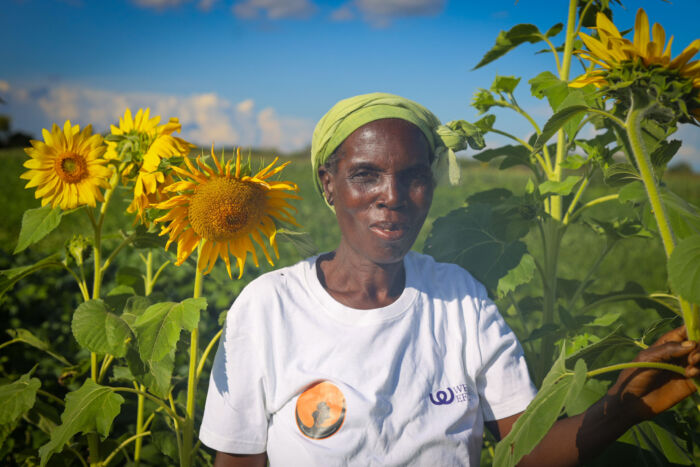
In Lundazi, Mary Honde’s journey reflects the power of opportunity and determination. After receiving business management and financial literacy training, Mary began saving through a VSLA and investing in farming and livestock. What was once a subsistence farm has grown into a diversified agribusiness that trades tomatoes, rice, maize and groundnuts while raising pigs and goats. With her earnings, Mary has built a permanent home, purchased an ox-cart to support her farming activities, and secured joint land ownership with her husband, an important milestone for women’s economic independence.
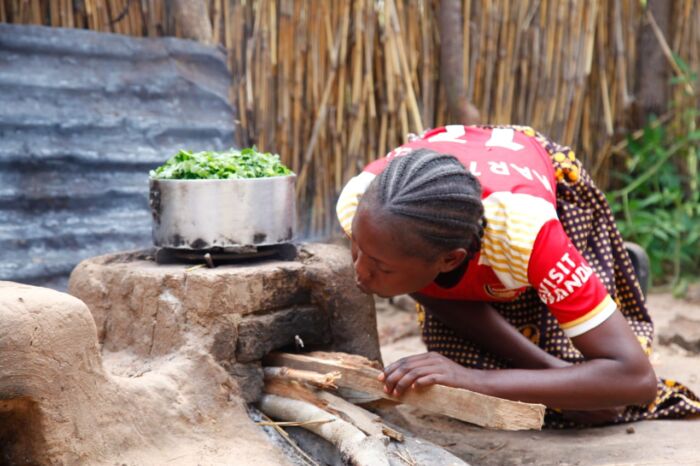
In Kaoma, Nsamba Kapalu’s story shows how empowerment can reshape both households and communities. Once hesitant to speak in public or influence family decisions, she is now a confident committee member in her community club. The gender-transformative training she received encouraged shared decision-making at home and inspired men in her household to take part in responsibilities traditionally seen as women’s work. Her leadership now encourages other families to rethink gender roles and work together for stronger livelihoods.
In Mubwa, Loyce Kasabo turned knowledge about land rights into action. After learning about women’s rights to land, she successfully negotiated access to land within her household and expanded her farming and retail business. Through savings groups and diversified farming, she now generates income that supports her family’s food security, education and household needs while mentoring other women to claim their economic space.
Farmers like Margaret Simuvuwimi and Prudence Mola are also demonstrating how climate-smart agriculture can strengthen resilience. By adopting conservation farming techniques and sustainable land management practices, they have increased yields, reduced labor and built food-secure households capable of supporting extended families and orphans. Their success shows how knowledge and innovation can turn climate challenges into opportunities.
HAPPY WOMEN’S MONTH and HAPPY WOMEN’S DAY (8 MARCH 2026)