
Farming for a Sustainable Future – New Manual Supports Smallholder Farmers in Tackling the Climate Crisis
Date
April 7, 2025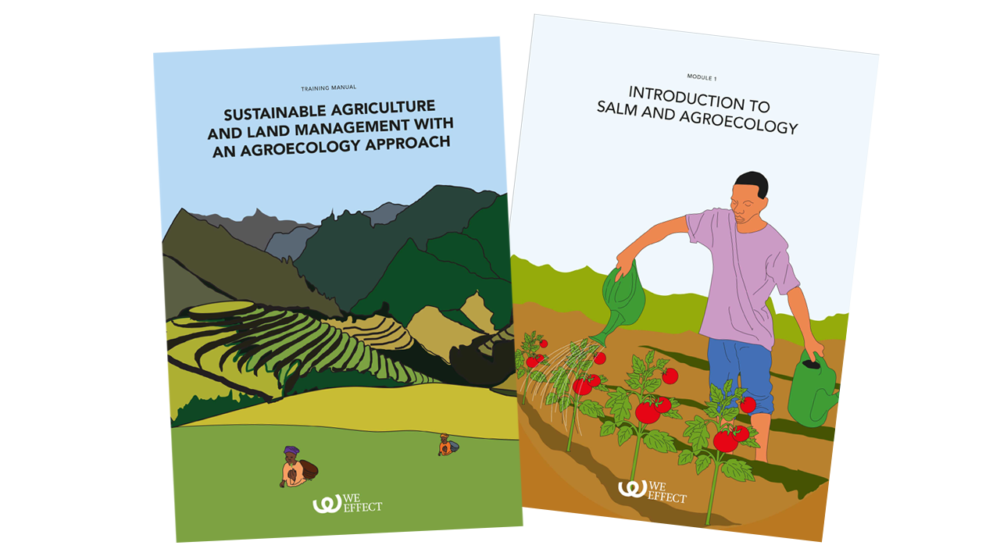
The climate and nature crises present a profound threat to humanity. According to the IPCC, the global surface temperature has risen more rapidly over the past 50 years than at any other time in the last 2,000 years. We are extremely close to exceeding the 1.5-degree limit set by the Paris Agreement. Climate change is inflicting irreversible damage on both people and the environment, leading to loss of life, destroyed harvests, economic hardships, and environmental degradation. Simultaneously, the loss of biodiversity jeopardizes our civilization and threatens food security, with approximately 1 million plant and animal species at risk of extinction due to human activities.
The Link Between Agriculture and the Climate and Nature Crisis
Agriculture plays a critical role in the climate and nature crisis, as it is both contributing to, and is severely affected by climate change and biodiversity loss. It is a major driver of deforestation and biodiversity loss, threatening over 85% of the species at risk of extinction, as reported by UNEP. Additionally, agriculture, along with forestry and other land uses, accounts for 22% of global greenhouse gas emissions.
Agriculture is also highly vulnerable to the impacts of climate change. Farmers rely on healthy soils, biodiversity, and adequate water access for food production. Climate change alters weather patterns, which results in farmers facing excess water during heavy rains, floods, and storm surges, and inadequate water during droughts and heatwaves. Therefore, farmers require support to adapt to these changes and to adopt more sustainable practices.
SALMA: A Comprehensive Approach to the Climate Crisis
To combat these challenges, We Effect collaborates with local partner organizations to enhance environmental awareness, support smallholder farmers in adapting to climate change, promote sustainable energy use, and manage the impacts of climate-related disasters. A key initiative in this effort is the Sustainable Agriculture and Land Management with an Agroecology Approach (SALMA).
The SALMA training manual serves as a vital resource for farmers, helping them address climate change impacts while fostering environmental resilience and biodiversity across various climatic and agroecological zones. Importantly, it integrates principles of gender equality and social inclusion. This comprehensive manual guides our partner organizations and their members in implementing SALMA practices within their crop and livestock management systems, covering topics such as:
- Agroecology
- Climate change and resilience
- Biodiversity
- Sustainable agricultural practices and improved agronomic practices
- Soil nutrient management
- Soil and water conservation
- Agroforestry and landscapes
- Tillage and residue management
- Land restoration and rehabilitation
- Integrated livestock management
- Sustainable energy
- Integrated pest management
By recognizing the urgent threats posed by climate change and biodiversity loss, the SALMA manual provides actionable strategies for farmers to enhance productivity, profitability, and resilience amid shifting weather patterns. Developed by We Effect, this training manual empowers our partners and their communities to adopt sustainable agricultural practices, furthering We Effect’s mission to help people living in poverty improve their living conditions, advocate for their rights, and contribute to a just society.
This manual can be used by individuals, organizations, and institutions with a background in agriculture. You can choose to download the full manual or specific modules here.