Bolivia
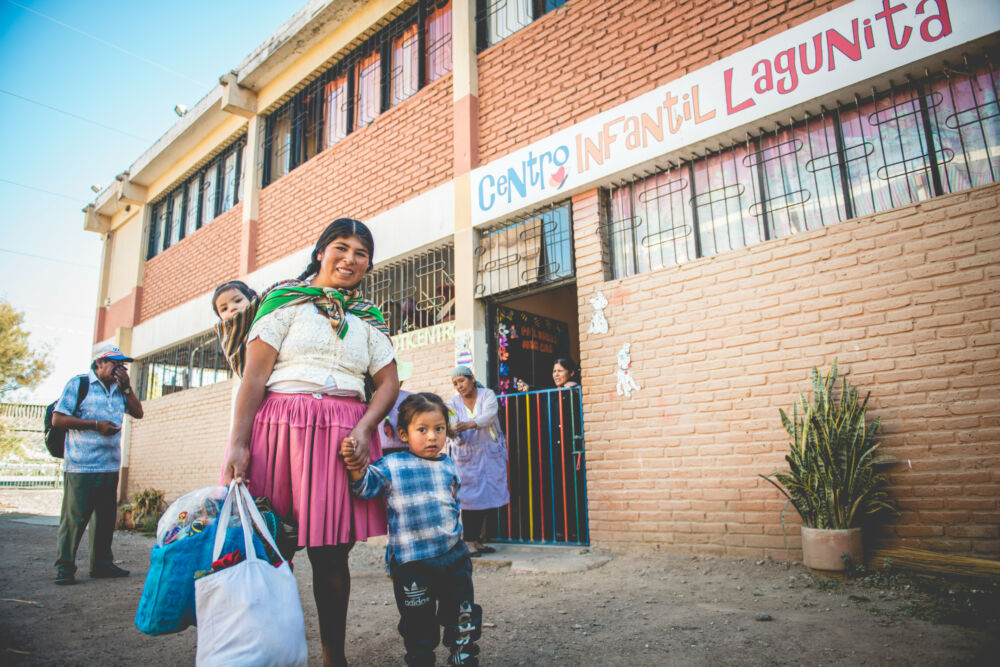
Bolivia is located in the heart of South America, bordered by Brazil, Paraguay, Argentina, Chile, and Peru. It has a population of approximately 11.6 million inhabitants. There are 36 indigenous peoples, constituting 41% of the population over 15 years old. The country is composed of highlands (Andean 28%), valleys (13%), and lowlands (Amazon, Chaco, and Chiquitania) 59%.
We Effect Bolivia implements the program titled “Climate and Social Resilience to Protect Mother Earth through Cooperativism” with the aim of “Promoting fair, inclusive, and sustainable rural development for the comprehensive empowerment and progressive realization of the ESCER (Economic, Social, Cultural, and Environmental Rights) of youth and indigenous and peasant women in Bolivia, mainly in the North Amazon and Chiquitania.” Through this program, it seeks to strengthen civil society to mitigate the climatic, economic, and social impacts of the complex context described above.
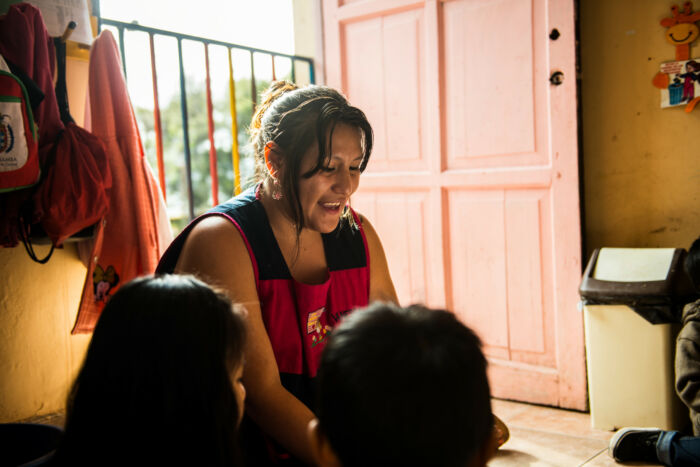
We Effect in Bolivia supports local farmer organizations, cooperatives and other organizations to improve the quality of services they offer to members; a focus on technical and administrative skills and education develops farmer capacity allowing them to improve their food security and resilience.
Support also goes to housing cooperatives whose members adopt a model which allows them to build and own new houses collectively. We Effect also supports work for increased gender equality in cooperatives and other organizations by, for example, developing gender equality policies; women receiving rights based training and changes to statutes allow for increased representation in executive boards. In Bolivia, We Effect works on the principle of fair resource allocation, ensuring that at least half of our aid targets women.
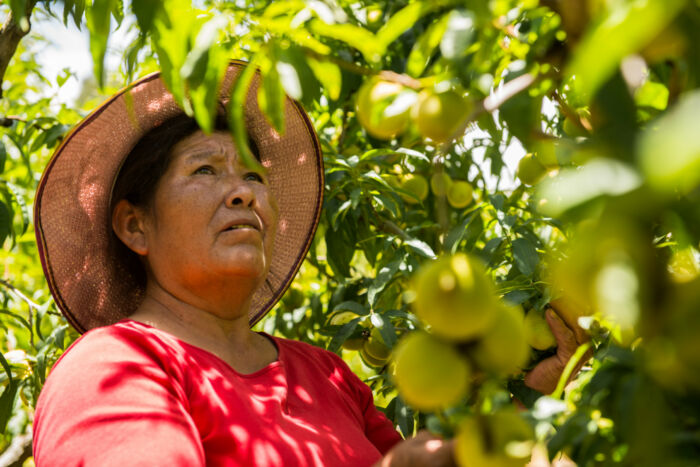
Poverty is a persistent challenge in Bolivia. According to recent data (estimates for 2021), about 36% of the population lives in poverty, and 11% in extreme poverty, especially in rural areas and among indigenous communities. This occurs despite redistributive policies implemented over recent decades, significantly affected by corruption.
According to World Bank data (2024 reports), 20% of the population suffers from malnutrition, and 25% from obesity, making food security a crucial aspect to address. The causes include poverty, climate change, and reliance on subsistence agriculture. The government has implemented several programs to improve the production and access to nutritious food, but challenges persist, especially in the most isolated communities.
Although Bolivia has a proposed National Housing Policy that is in the socialization process and includes a financing line for Mutual Aid Housing Cooperatives, it has not yet been approved. According to the National Institute of Statistics, the Housing Deficit in 2019 was close to 52%, with the quantitative deficit at 3% and the qualitative deficit affecting 92% of the population. Rapid urban growth in cities like El Alto and Santa Cruz de la Sierra has exacerbated these problems, creating poverty belts around the cities.
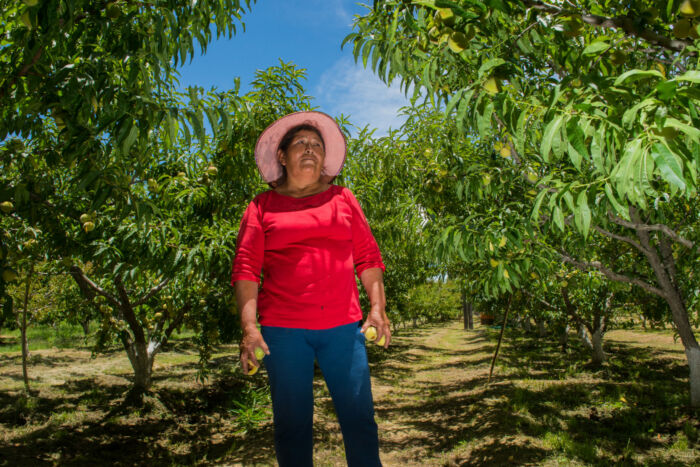
According to World Bank data, Bolivia ranks tenth in the Global Climate Risk Index. Therefore, climate vulnerability is a growing concern. The country is prone to natural disasters such as droughts, fires, floods, and landslides, which particularly affect rural communities and increase their socioeconomic vulnerability. The effects of climate change, such as the retreat of Andean glaciers, also threaten water resources and agriculture. According to some environmental entities, among the many challenges the country must face are forest protection (especially fires) and reducing the impact of mercury use by mining, especially illegal mining.
Gender inequalities in Bolivia manifest in multiple forms. Gender is an important factor in socioeconomic vulnerability. Women face higher rates of poverty, violence, discrimination by age, place of residence, disability, etc. Regarding care tasks, they are still seen as women’s responsibility, although there are advances in regulations and international cooperation’s attention. Gender-based violence is one of the main issues that society and authorities must address, with 100 deaths per year according to CEPAL data. As of June 30 this year, there have been 45 femicides and 19 infanticides. Rural and indigenous women, in particular, face multiple forms of discrimination and barriers to accessing essential services, economic opportunities, and participation in decision-making spaces.
Results in Bolivia
- The project in Bolivia has engaged directly with 2,182 rights holders, including 1,253 women, and has bolstered the capacity of 26 organizations. These include 3 Indigenous Central organizations, 4 Indigenous women’s groups, 2 youth organizations, and 13 producer associations—3 of which are mixed membership and 10 are women-focused—along with 1 GAM, 1 GAD, and 2 TIOC. Additionally, it is estimated that the project has indirectly reached 9,316 rights holders, 5,600 of whom are women.
- A municipal law proposal was introduced to promote the internal market for women from the Santa Monica Association, .
- There are also ongoing preparations for a life plan for the Monte Verde Indigenous Original Peasant Territory to enhance governance and territorial management. A total of 185 individuals participated in a training program on Territorial Planning with a Life Systems Management Approach and Contribution to Climate Action.
- In 2023 in collaboration with CITIZENSHIP, a care school was developed and implemented. Eighty participants, including 54 women, completed the training and received certification from the Ministry of Education’s School of Co-Responsibility.
- By 2024, the project is expected to directly reach nearly 11,000 rights holders, with women making up 56% of this group. The total direct reach is projected to exceed 48,000 people, also with 56% women. Through communication campaigns, it is anticipated that fewer than 48,000 individuals will be reached, with women constituting 64% of this audience. Overall, the project’s total reach is projected to surpass 100,000 people, with women representing 60% of this figure. These estimates are based on data from POAS and adjustments made with information from the first half of the year.