Albania
Albania, situated on the Balkan Peninsula in Southeast Europe, is home to approximately 2.8 million people.
We Effect operates in Albania using a rights-based approach, with a strong focus on sustainable rural development, environmental resilience, and gender equality. By working closely with local member-based organizations, we strengthen their capacities, promote social responsibility, and enhance economic stability. Our initiatives empower communities, improve food security, advance gender equality, and build resilience to climate and socio-economic challenges. Through these partnerships, We Effect extends its reach to approximately 50,000 indirect beneficiaries, furthering our mission to foster sustainable development and social equity in Albania. Our efforts are closely aligned with Albania’s aspirations for EU accession, supporting essential reforms and contributing to long-term progress toward a more resilient and equitable society.
Despite Albania’s strategic location and abundant hydropower resources, the country faces significant socio-economic hurdles. The poverty index reveals that 3.9% of the population lives below the international poverty line of $2.15 per day, with 11.3% and 34.2% living below the lower-middle ($3.65) and upper-middle ($6.85) income poverty lines, respectively. Food insecurity and malnutrition are pressing issues, particularly affecting rural communities where outdated farming methods and limited technological access hinder agricultural productivity, thus impacting food security and overall public health.
The 2019 earthquake exacerbated housing shortages and overall socio-economic situation, underscoring the critical need for improved infrastructure. Albania’s susceptibility to natural disasters, including earthquakes and climate-related events, poses additional risks. Structural reforms progressing at a moderate pace and escalating fiscal pressures further compound the nation’s vulnerabilities. Agriculture, a vital sector employing a significant portion of the population, faces challenges such as low productivity, inadequate financing options, and climate change vulnerabilities. Unsustainable farming practices have led to soil degradation, deforestation, and biodiversity loss, exacerbating environmental concerns. Gender inequality, discrimination against minority groups remain pronounced as a result of prevailing informal social and gender norms, with women experiencing significant disparities across various socio-economic dimensions. Addressing these disparities is crucial for achieving sustainable development goals in Albania.
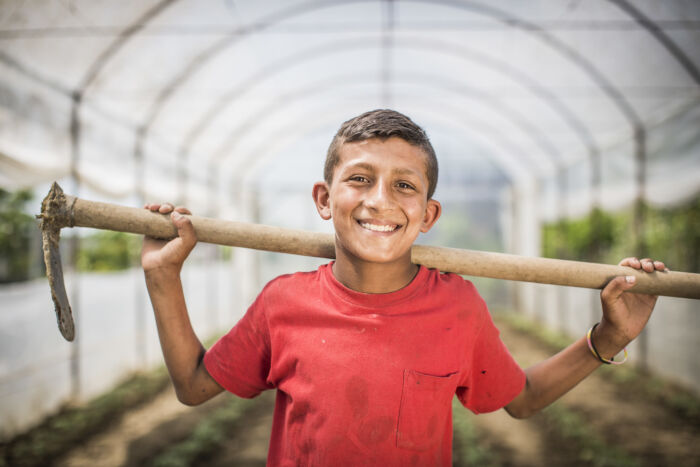
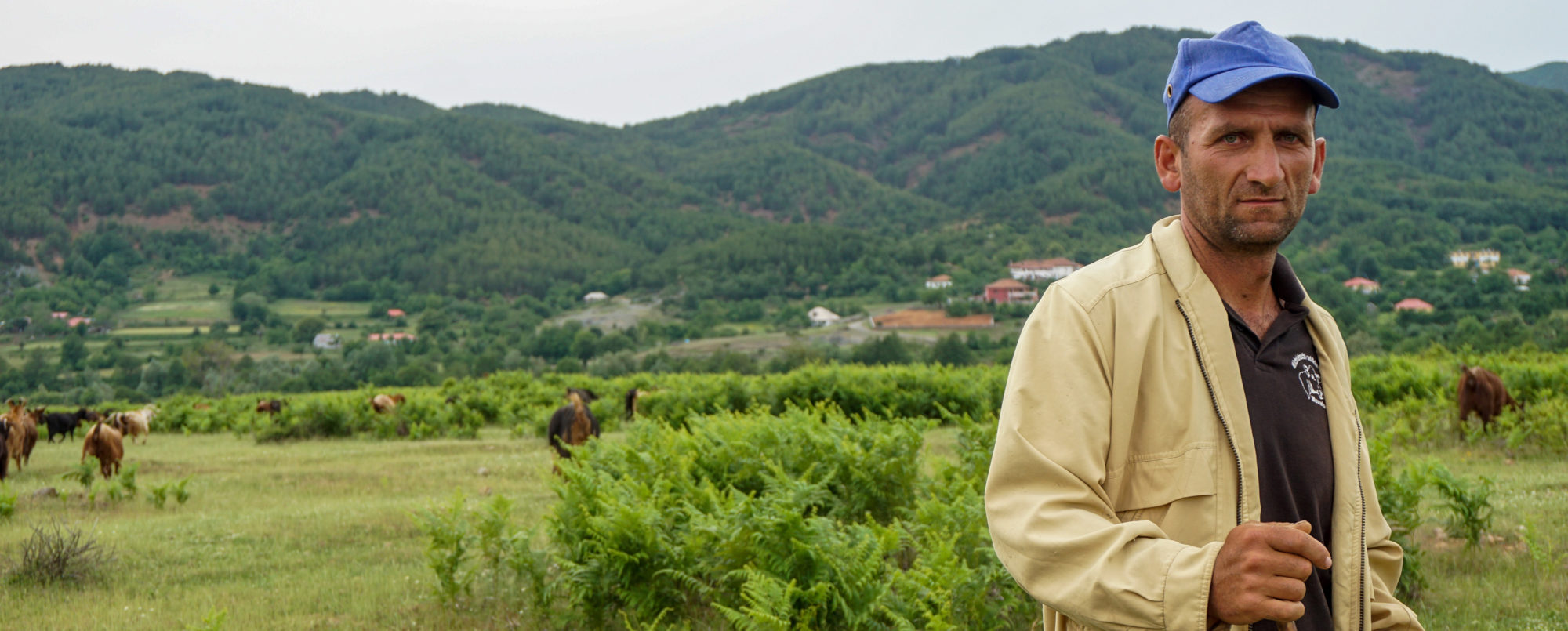
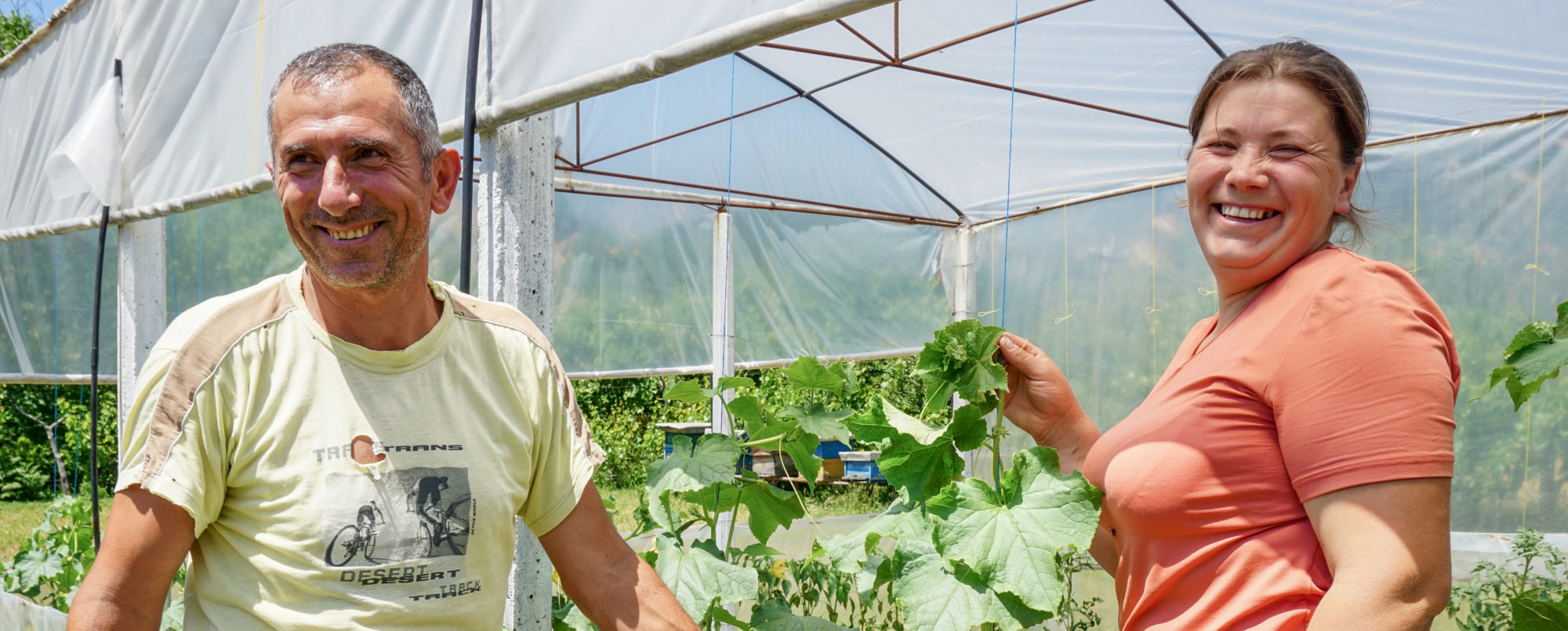
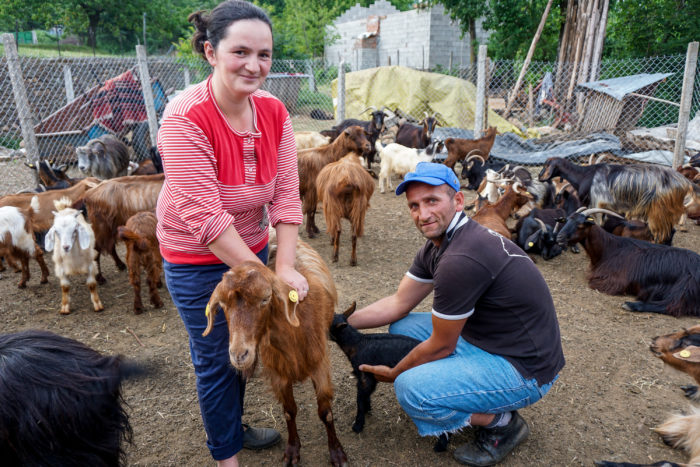
In Albania, we support small-holder farmers, and our efforts are dedicated to promoting food security and sustainable development through a comprehensive range of initiatives. From supporting small-holder farmers in establishing cooperatives and empowering women in agriculture to diversifying economic activities and promoting sustainable farming practices, we work tirelessly to enhance agricultural productivity, address gender equality, and uplift marginalized communities. These multifaceted approaches are crucial for achieving long-term food security and sustainable development in the region.
Results in Albania:
- By the end of 2025, our program in Albania has made remarkable progress in promoting sustainability, gender equality, and climate resilience. Over this period, our initiatives have directly reached 1,524 women and 1,174 men, while indirectly benefiting more than 50,000 people throughout the country. This broad impact demonstrates our commitment to empowering both individuals and entire communities.
- A key achievement was supporting 42 farmers in Albania to transition to organic farming. With guidance from We Effect, these farmers adopted signaling forecast programs, which enabled them to reduce chemical treatments, lower production costs, and minimize pollution of soil and groundwater. This marks a significant step toward sustainable agriculture in the region.
- The program also played a central role in establishing Albania’s first local climate coalition, which brought together municipal authorities, civil society organizations, farmers, businesses, and schools. This coalition led to the development and adoption of the country’s first Local Adaptation Plan in municipalities such as Puka and Fushë-Arrëz. The plan integrates climate action into local development strategies, guides municipal policy, and enables resource mobilization for climate adaptation.
- By embedding sustainable agriculture and climate adaptation into local governance, these efforts have delivered tangible benefits to thousands of families and laid the foundation for lasting resilience. The results highlight the importance of local engagement and shared responsibility in building a sustainable and equitable future for all in Albania.
Partnership approach
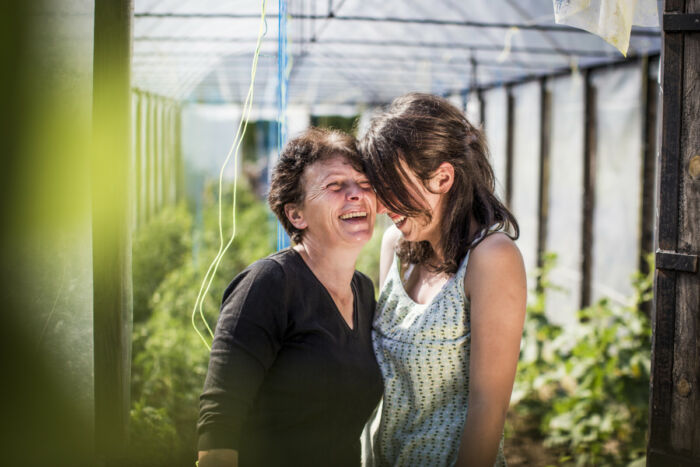
We Effect collaborates with local partner organisations – which are member-based and represent the voice of the smallholder farmers and other vulnerable groups.
Jointly we advocate and work for economically, environmentally, and socially sustainable agriculture and rural development with a gender perspective.
In Albania, We Effect collaborates with three local partner organisations.
Multi-country programme
We Effect collaborates with local partner organisations which are member-based and represent the voice of smallholder farmers and other vulnerable groups through the CSO Programme. Our work in Albania is part of the We Effect Europe multi-country CSO programme (2025–2028), with a primary focus on sustainable rural development. This programme builds on a decade-long commitment to civil society strengthening, continuing the Sida-supported CSO initiatives that began in 2014 and have been implemented in consecutive phases: 2014–2017, 2018–2023, 2023–2025, and now 2025–2028. The programme emphasizes strengthening national structures while also fostering regional cooperation, dialogue, and synergies. Support is provided to local organisations not only in Albania, but also in North Macedonia, Bosnia and Herzegovina, Kosovo, and Moldova.
Projects
In Albania, we are also working through three national projects:
Improved Livelihoods in Northeast Albania
Partner organisation: AgroPuka
This project in Albania, implemented through Agropuka, strengthens rural livelihoods by building organizational capacity and supporting resilient local food systems. Agropuka empowers small-scale farmers, especially women and youth to access financial services, adopt new technologies, and expand market opportunities. The organization leads climate adaptation efforts, collaborating with municipalities to develop and monitor Climate Change Adaptation Plans. With a strong focus on gender equality, Agropuka increases women’s participation in leadership and decision-making, dedicating significant resources to women’s activities. Through ongoing training, advocacy, and gender audits, the project continues to advance inclusive growth, improved living standards, and community resilience in Northeast Albania.
Transforming Rural Communities through Equity and Sustainable Development
Partner organisation: Une Gruaja
This project, implemented in the Korca Region through the organization Une, Gruaja, is dedicated to empowering rural communities, especially women and youth by improving living conditions and reducing poverty in the Municipality of Pogradec. The initiative establishes and strengthens support groups, such as Door-to-Door networks and Local Action Groups (LAGs), to provide access to information, essential services, and opportunities for collaboration.
Through targeted training and ongoing support, the project enhances disaster risk management, strengthens food security, and builds the capacity of local actors to respond to community needs. Special emphasis is placed on empowering rural women, promoting gender equality, and expanding women’s participation in decision-making and economic life.
The project also fosters financial sustainability for small-scale farmers, supports green entrepreneurship, and mobilizes communities to address climate change and protect local ecosystems. By integrating education, advocacy, and innovative partnerships, the project creates sustainable models for poverty reduction, gender equality, and environmental resilience—ensuring that rural communities in Pogradec are equipped to drive lasting, positive change.
Healthy and Sustainable Agriculture Resilient to Climate Change
Partner organisation: Adad Malore
This project, focused on Albania’s mountainous regions, works to strengthen the organizational capacities of ADAD Malore while promoting healthy and sustainable living, climate change adaptation, gender equality, and the economic empowerment of women. By enhancing its governance and expanding services, ADAD Malore prioritizes support for women and young people, aiming to improve living conditions for producers and rural communities.
The project advances agricultural development and rural economic diversification through training, study visits, and support for women-led enterprises. It helps farmers adopt new technologies, good agricultural practices, and better market connections, while also improving product marketing, packaging, labeling, and certification. Climate change adaptation is addressed through awareness campaigns, capacity building, and the adoption of sustainable land management and environmental practices.
By building technical skills, fostering cooperation, and promoting inclusive participation, the project ensures that ADAD Malore and its members are equipped to drive sustainable growth and resilience in Albania’s rural areas.
Meet the people